Technical Guides
Veneered Aluminium vs Solid Metal Panels: What Specifiers Should Compare
Weight, cost, flatness, edge details and durability — the honest comparison between veneered aluminium and solid brass, copper or steel panels.
A brass wall panel looks like money, and is priced like it. For a growing share of interior and facade applications, veneered aluminium delivers a very similar visual result at a fraction of the weight and cost — but it is not a universal substitute, and specifying it where solid metal is genuinely required causes expensive remediation. This comparison sets out what actually differs, so the choice can be made on the project's terms rather than the catalogue's.
What "Veneered" Means Here
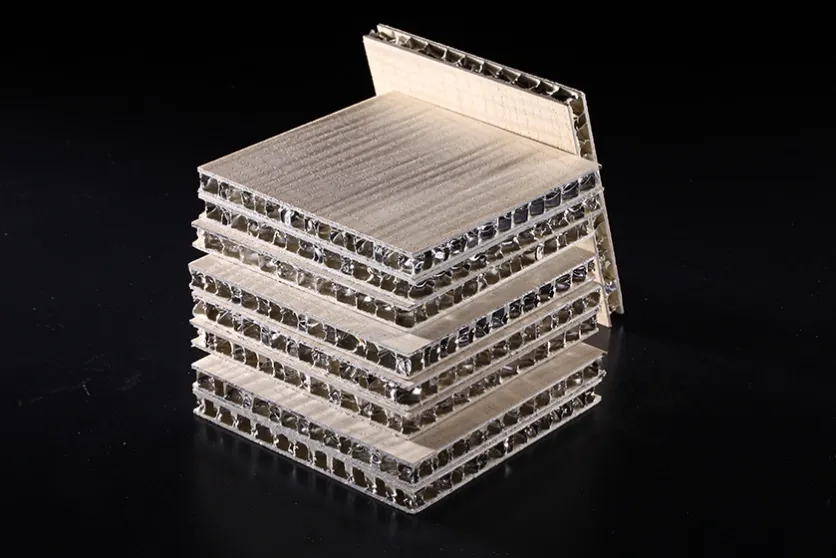
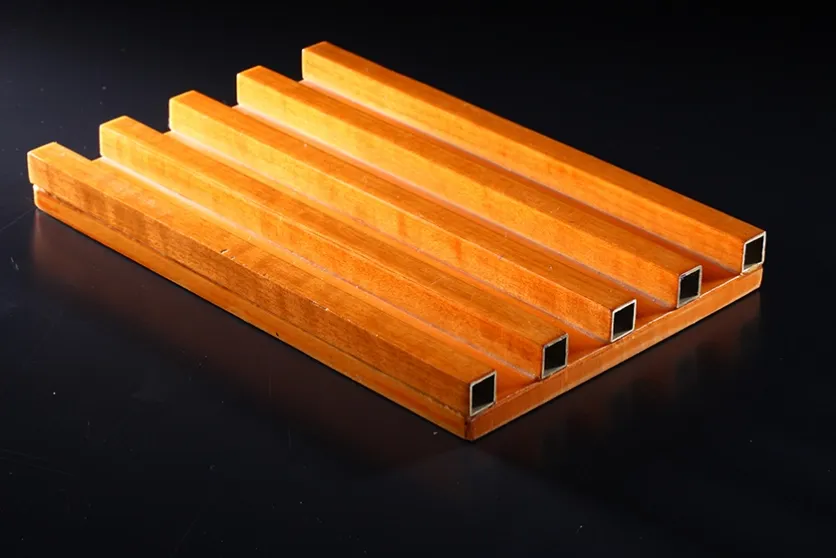
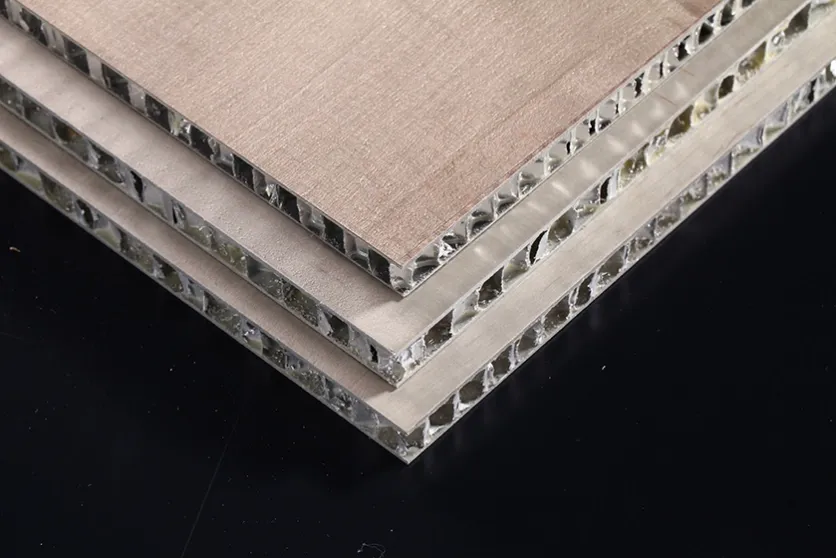
Veneered aluminium is an aluminium panel — typically 2 to 4 mm core, often with a honeycomb or stiffened backing for larger formats — carrying a decorative surface: a woodgrain or marble-effect film, a coated finish, or a bonded metal skin a fraction of a millimetre thick. The substrate does the structural work; the veneer does the talking.
Solid metal panels — brass, copper, bronze, stainless or aluminium plate — are the material all the way through. Edges, returns and wear all show real metal.
The Comparison That Matters
Factor | Veneered Aluminium | Solid Metal Panels |
|---|---|---|
Weight | Very low; large panels manageable by hand | High; brass/copper plate needs engineered fixing |
Cost per m² | A fraction of solid, stable across finishes | High, and tracks metal market prices |
Visual depth of finish | Very good at distance; less depth on close edge inspection | Full depth — patina, reflections and wear are real |
Flatness on large panels | Excellent with honeycomb backing | Needs thick gauge or stiffeners to stay flat |
Edge and return detailing | Requires careful edge treatment to hide the core | Any profile, return or edge is inherently solid |
Fire performance | Depends on core and coating system — verify per project | Inherently non-combustible |
Outdoor durability | Good with PVDF/high-grade systems; films are indoor-grade | Proven; develops natural patina outdoors |
Refurbishment and wear | Surface cannot be refinished; damage means replacement | Can be polished, re-patinated, repaired |
Where Veneered Aluminium Wins
Ceilings and soffits. Weight is the governing constraint overhead. A woodgrain or bronze-effect veneered aluminium ceiling achieves the warm metallic look at a weight the structure never notices, with large panels staying flat thanks to the stiffened core.
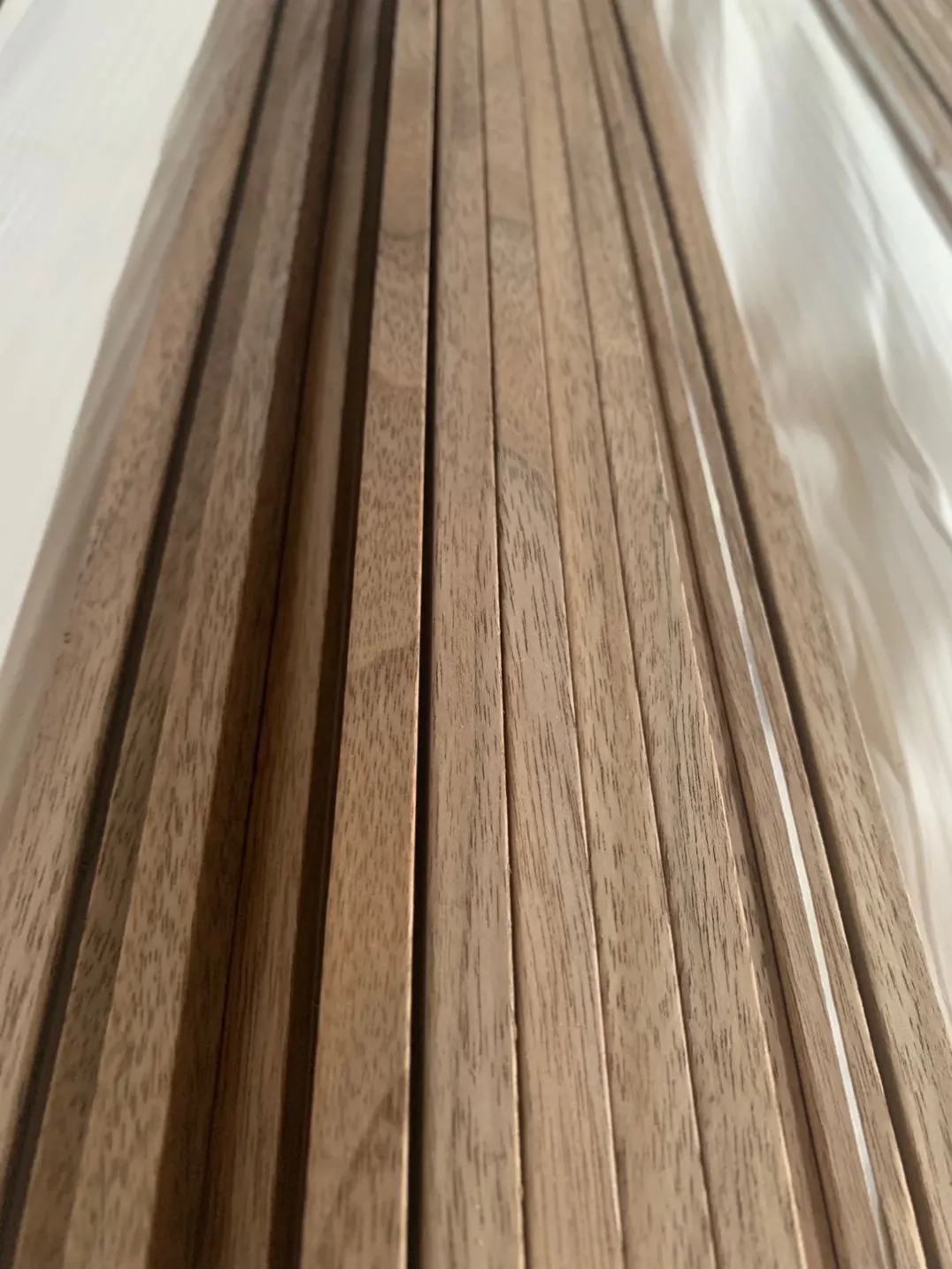
Feature walls away from touch. Lobby walls, retail backdrops and hospitality ceilings see eyes, not hands. At normal viewing distance — and even closer — a high-quality veneer in brass or walnut reads convincingly, and the budget released can go into lighting or genuinely solid details where hands make contact.
Retrofit and renovation. Where an existing structure cannot carry solid cladding, veneered aluminium is frequently the only way to deliver the intended look at all.
Repetitive modular runs. When the design calls for dozens of identical panels, veneered aluminium's consistency and lower per-panel cost compound across the run.
Where Solid Metal Is Worth It
Touch surfaces — reception desks, door pushes, lift reveals, counter fronts and handrails. Nothing survives contact like solid metal, and wear on a veneer exposes the core irreversibly.
Extreme close-range detailing. Where edges, returns and profiles are part of the composition — a solid brass reveal between stone and wall — the material's depth through the section is the whole point.
Exterior patina design. If the architecture wants copper to weather or brass to darken over decades, only solid metal can deliver it.
Fire-rated and exterior assemblies where the coating system on a veneered panel would need project-specific certification that undermines its cost advantage.
The Questions to Ask a Supplier
Whichever way the project leans, four questions sort good veneered aluminium from problem product:
- What exactly is the surface system — PVDF coating, powder coat, or laminate film — and what is its rated application (interior/exterior, UV class)?
- How are edges and returns detailed? The best systems fold the veneer around a formed edge or cap the core with a matching profile.
- What is the fire classification of the complete panel, not just the core?
- What panel sizes stay flat, and what is the recommended fixing system?
A Practical Hybrid Strategy
The strongest specifications on hospitality and commercial projects are rarely all one thing. Use veneered aluminium across the broad, high, and untouched surfaces; place solid metal where hands, edges and weather operate. The two meet cleanly when the veneer is matched to the solid finish — and the visual effect is a fully metal space at a budget the solid-only version could never meet.
If you are weighing the two for a current project, send the panel schedule and locations — we will mark which positions justify solid metal and where veneered aluminium delivers the same effect for less.