Aluminum Profiles: Manufacturing Methods & Common Questions (Especially for Wood Grain Aluminum)
1. How Are Aluminum Profiles Manufactured?
1.1 Extrusion Method
The most common method for aluminum profiles is extrusion.
Aluminum billets are heated and pushed through a custom die to form specific shapes. This process allows:
-
Custom cross-sections
-
Structural strength
-
High dimensional accuracy
-
Cost efficiency in bulk production
Most architectural systems use extruded aluminum profiles.
1.2 Surface Finishing Methods
After extrusion, finishing determines durability and appearance.
• Powder Coating
Provides color consistency and weather resistance. Suitable for general exterior use.
• Anodizing
Enhances corrosion resistance and gives a metallic finish. Often used in industrial projects.
• Wood Grain Transfer Printing
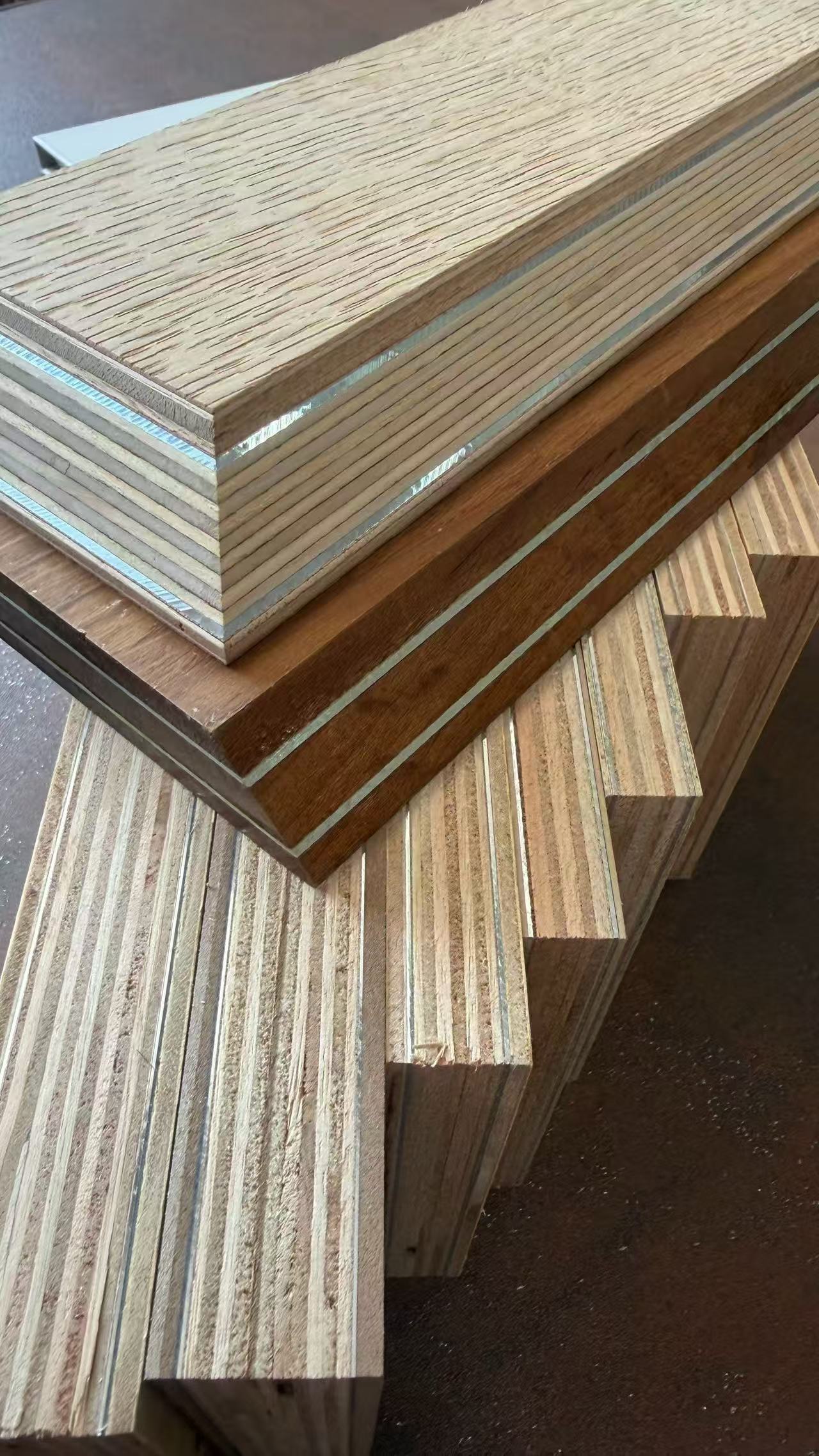
For decorative applications, wood grain finish is created using heat-transfer technology. The wood texture is transferred onto powder-coated aluminum under high temperature.
This method combines:
-
Natural wood aesthetics
-
Fire resistance
-
Termite resistance
-
Zero cracking or warping
Compared with real timber, wood grain aluminum profiles require significantly less maintenance.
2. Why Wood Grain Aluminum is Popular in Commercial Projects
In projects like hotels and retail centers, developers want:
-
Fire-rated materials
-
Long-term durability
-
Natural design effect
-
Easy installation
Unlike real wood, aluminum profiles with wood grain finish meet fire safety requirements in most commercial buildings.
For example, many developers in the Middle East choose wood grain aluminum instead of traditional timber due to climate conditions — high humidity, strong UV exposure, and sandstorms.
3. Common Questions Buyers Ask
Q1: Does wood grain fade in outdoor environments?
High-quality powder coating combined with transfer printing can achieve strong UV resistance. For exterior use, we recommend specifying outdoor-grade powder coating.
Always confirm:
-
Coating thickness
-
UV resistance level
-
Warranty period
Q2: Can aluminum profiles be customized?
Yes.
Extrusion dies can be customized based on drawings. Common applications include:
-
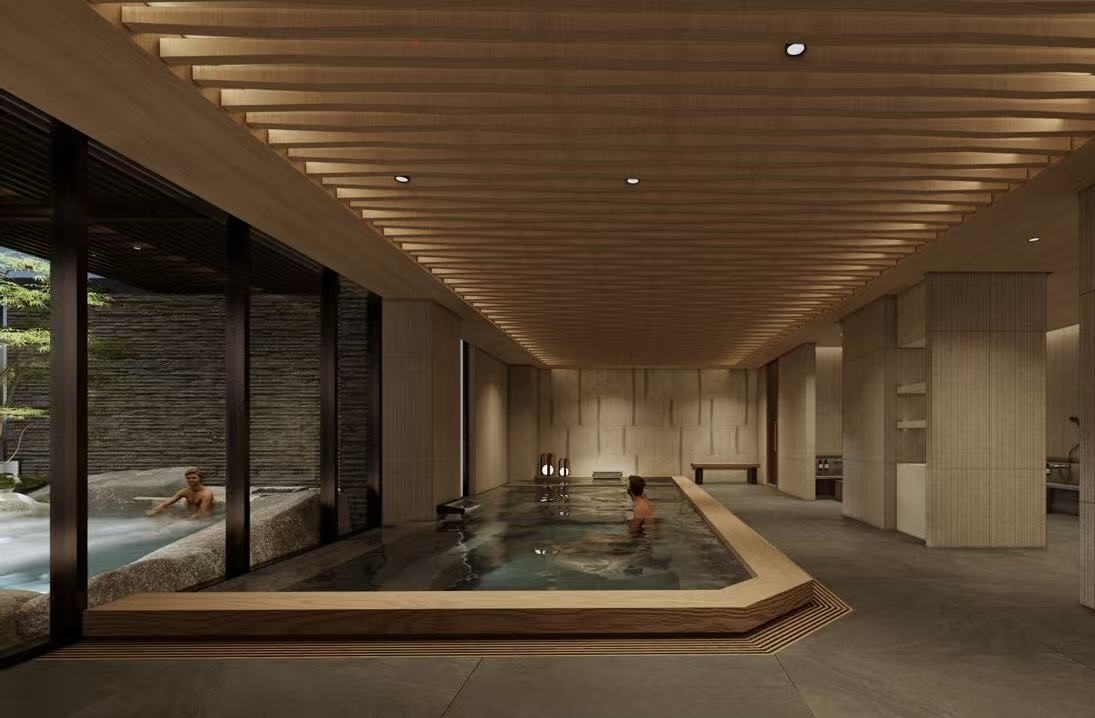
Ceiling systems
-
Facade battens
-
Pergolas
-
Decorative louvers
-
Sunshade systems
For bulk orders, custom profiles are often more cost-effective than adapting standard sections.
Q3: What is the lead time for custom aluminum profiles?
Typically:
-
Die development: 7–12 days
-
Mass production: 15–25 days depending on quantity
Large projects may require staged delivery.
Q4: Is wood grain aluminum more expensive than real wood?
Initial material cost may be similar or slightly higher than low-grade timber.
However, when considering:
-
No repainting
-
No termite treatment
-
No deformation
-
Lower maintenance
Lifecycle cost is significantly lower.
4. How to Choose the Right Supplier
When sourcing aluminum profiles for export projects, check:
-
Production capacity
-
Experience with overseas standards
-
Fire test reports
-
Surface treatment quality control
-
Packaging for sea freight
For Middle East projects especially, proper packing and coating durability are critical.
5. Final Thoughts
Aluminum profiles are not just structural components anymore. With wood grain finishing technology, they have become a long-term alternative to traditional timber in modern architecture.
If you are working on:
-
Hotel projects
-
Commercial facades
-
Residential exterior decoration
-
Public infrastructure
Wood grain aluminum profiles may offer a safer and more durable solution.
If you are currently sourcing aluminum profiles for overseas projects, feel free to connect and discuss specifications or drawings.