From Cost to Value: Why Aluminum Wood Composite Panels Offer Superior Lifecycle Cost Advantage
When selecting cladding materials for a project, the initial focus is often on the "purchase price per unit."
However, a truly informed decision looks beyond this. As an architect, developer, or project manager, you need to evaluate the "total lifecycle cost" of a material—from cradle to grave.
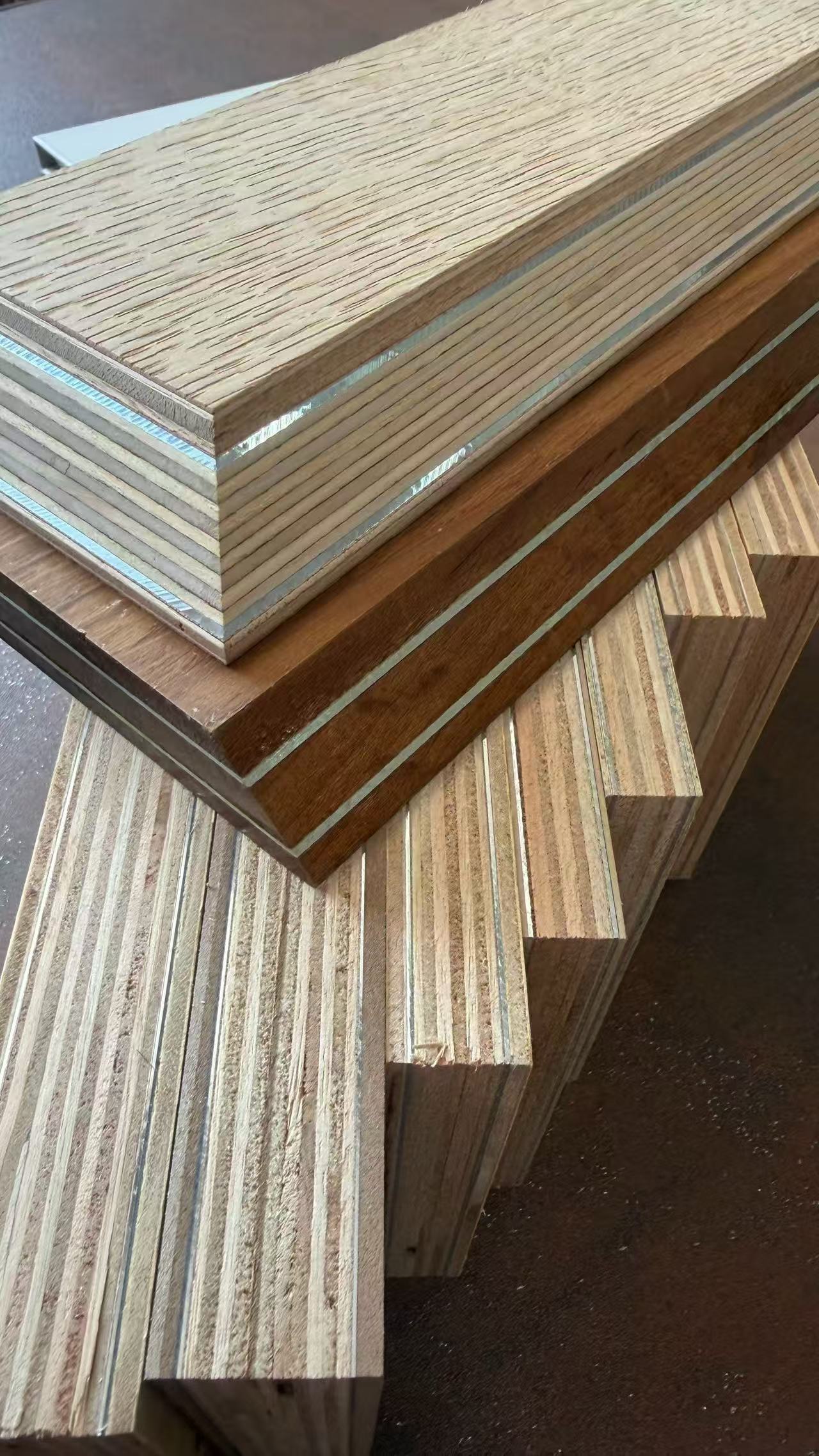
Today, let's explore why Aluminum Wood Composite (AWC) panels often deliver greater long-term value compared to many traditional monolithic materials. This isn't just about a "panel"; it's about an efficient, durable, low-maintenance system solution.
1. Deconstructing "Lifecycle Cost": More Than Just Purchase
Lifecycle cost encompasses all expenses from initial purchase and installation to long-term operation, maintenance, and finally, replacement or disposal. The core formula is:
Total Cost of Ownership = Initial Cost + Installation Cost + Operation & Maintenance Cost - Residual Value
The advantages of AWC panels become most apparent in the subsequent stages.
2. The Value Proposition of AWC Panels: Where is the Advantage?
1. Significantly Reduced Installation & Construction Costs
Lightweight: Compared to materials like natural stone or precast concrete, AWC panels are substantially lighter. This reduces load requirements on the primary structure and foundation, saving on support steelwork and groundwork costs.
Prefabrication & Dry Installation: Factory precision manufacturing allows for simple clip-and-fix installation on-site. This dramatically shortens construction time, minimizing wet trades, complex scaffolding, and extensive labor hours. Time is money. The financial benefits and risk reduction from earlier project completion represent immense hidden value.
2. Exceptionally Low Long-Term Operation & Maintenance Costs
This is the most compelling advantage of AWC panels.
Superior Durability: High-quality aluminum surface offers excellent corrosion and UV resistance. The wood veneer is specially treated for enhanced weatherability. The panels resist fading, cracking, and deformation.
Excellent Self-Cleaning & Easy Maintenance: The surface coating often features superior self-cleaning properties, with rain washing away most dirt. Routine maintenance only requires occasional low-pressure washing, virtually eliminating the need for expensive periodic cleaning, repainting, or restoration. Compared to the regular professional cleaning of glass facades, potential efflorescence repair for stone, or recoating of textured paint, long-term maintenance budgets can be drastically reduced.
3. Superior Performance Drives Ongoing Operational Value
Energy Efficiency Contribution: The composite core structure provides good thermal insulation properties. When combined with effective insulation materials, it significantly improves the building envelope's thermal performance, directly reducing heating and cooling energy consumption and saving owners operational costs for decades.
Long-Lasting Aesthetics: The enduring "curb appeal" of a building directly impacts rental premiums for commercial projects, brand image, and asset value. AWC panels maintain the intended visual design over the long term, protecting your asset's aesthetic value from depreciation over time.
4. Potential Value at End of Life
High-quality aluminum has significant scrap value at the end of a building's life, aligning with circular economy principles. This contributes to sustainability assessments (like LEED, BREEAM) and reduces future disposal costs.
3. A Clear Comparative Perspective
Consider a building's 30-year lifecycle:
Material A (Lower Initial Unit Cost): May require major maintenance or partial replacement at years 10-15, involves frequent cleaning, and offers relatively higher energy consumption.
AWC Panel System (Moderate Initial Unit Cost): Rapid installation, minimal maintenance needs over 30 years, sustained energy savings, and consistent appearance.
When you account for everything over 30 years—initial investment + multiple maintenance/renovation costs + additional energy expenditure + operational losses due to disruptive repair work—the Total Cost of Ownership for AWC panels is often lower, while the overall value created is higher.
4. Key Questions for Decision-Makers
For your next project, during cladding material selection, consider asking your team:
Have we fully evaluated the maintenance budget for the next 20-30 years?
How much financial benefit would a shorter installation period bring through earlier revenue or project launch?
How will the material's durability and energy efficiency impact the building's long-term operational costs and asset value?
Conclusion
Choosing Aluminum Wood Composite Panels is, in essence, a "value investment." It shifts costs from unpredictable, ongoing future expenditures to a more controlled, high-quality initial investment. This results in superior economy, reliability, and aesthetic longevity throughout the building's entire lifecycle.
We specialize in providing AWC facade solutions based on lifecycle cost analysis for architects and developers. If you are conducting a comparative analysis for a specific project and would like more detailed technical data or case studies, I would be happy to provide further assistance.
We welcome your thoughts in the comments: Based on your project experience, which material's "long-term value" has impressed you the most?
Posting Recommendations:
Visual: Use a comparison graphic. List items like "Initial Cost, Installation Cost, Maintenance Cost..." on the left, with bar charts visually comparing the cost curves of two material types across different stages.
Engagement: Actively respond to comments. Guide public discussions toward private messages, offering potential clients your "Lifecycle Cost Analysis Whitepaper for AWC Panels" (if available) or specific case studies.
Hashtags: Use the relevant industry hashtags mentioned to maximize reach.
This article is designed to establish your professional expertise and naturally attract high-quality clients who care about long-term value, total project control, and sustainability to reach out proactively.